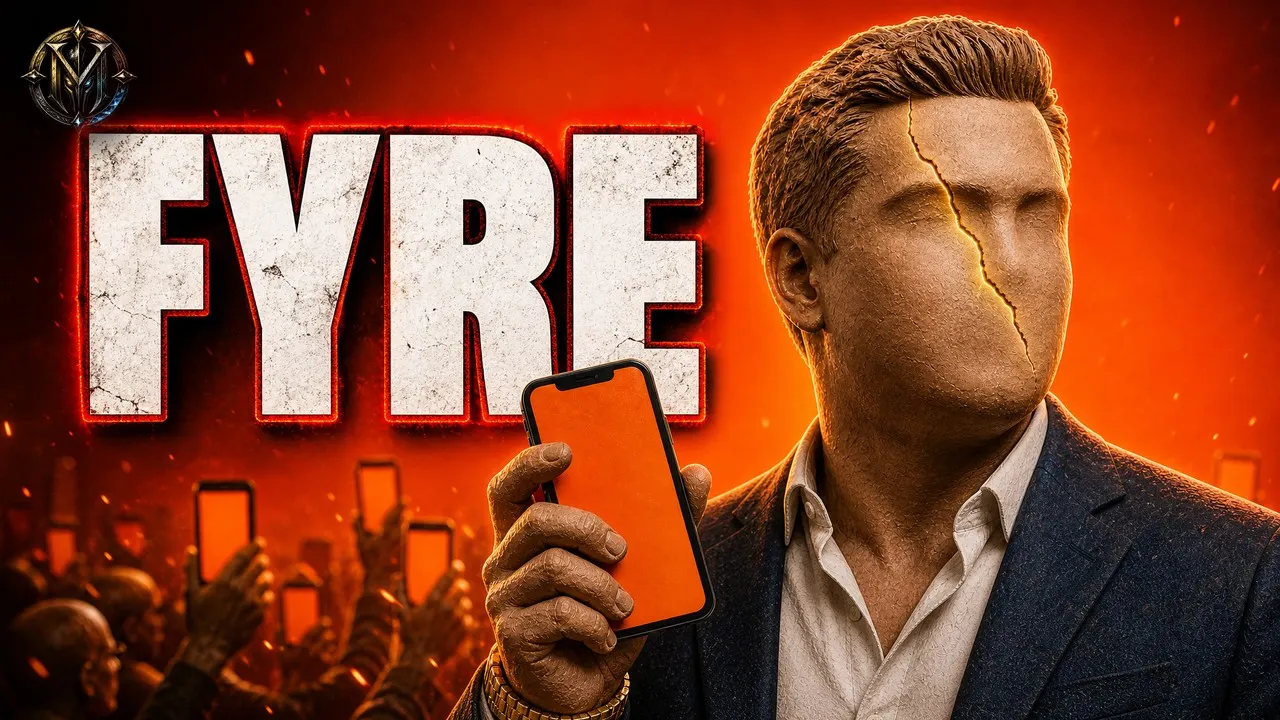
What happened at Fyre Festival: it was a luxury music festival that Billy McFarland and rapper Ja Rule advertised for April 2017 on an island in the Bahamas, with a supermodel video and paid posts from dozens of influencers. Tickets sold from $500 a day, with packages of up to $100,000. When the first guests reached Great Exuma on April 27, 2017, there were no villas and no concerts, only soaked disaster-relief tents, and the festival was canceled before it began. In 2018 McFarland was sentenced to six years in prison for defrauding investors of more than $24 million and for selling fake tickets while out on bail.
In 30 seconds
- The promo presented a private island "once owned by Pablo Escobar." It was not private, it had not been Escobar's and the festival was not even going to be held there.
- According to the bankruptcy trustee's lawsuit, Fyre spent millions on influencers; almost none of them disclosed that their post was a paid ad.
- The fraud that sent McFarland to prison was against his investors: according to the SEC, he showed them millions in revenue when the company had brought in about $57,000.
- Out on bail, he ran another scam selling fake tickets to the Met Gala and the Super Bowl. The judge called him a serial fraudster.
Timeline
Billy McFarland founds Magnises, an exclusive New York club with a black metal card.
With rapper Ja Rule he launches the Fyre app and shoots the festival promo in the Bahamas.
Dozens of models and influencers post the same orange square at the same time.
The first festivalgoers reach Great Exuma and find disaster-relief tents; the festival is canceled.
The FBI arrests him for defrauding investors; he is out on bail the next day.
Prosecutors charge him with selling fake tickets to major events while out on bail.
Judge Naomi Reice Buchwald sentences him to six years in prison.
Netflix and Hulu each release a documentary on Fyre Festival.
He is released from prison after serving less than four years.
After postponing Fyre Festival 2, he auctions the brand on eBay for $245,300.
Who is Billy McFarland? The black card
William Z. "Billy" McFarland is a New Jersey entrepreneur who dropped out of college in his first year. In his early twenties he founded Magnises, a club for moneyed young New Yorkers that sold a black metal card. It was not a credit card: it was linked to the member's own card, but it had the heft of a millionaire's. According to the press, he told investors about tens of thousands of members when there were never more than a few thousand.
In 2016 came the next idea: Fyre, an app for booking celebrities for private events, with Ja Rule as his partner. In front of investors he boasted of representing hundreds of names from music and sports. To launch the app, they would throw the most exclusive festival in the world.
How it was set up: an orange square and a paradise made for an ad
In 2016 the Fyre team shot the promo video on Norman's Cay, an island in the Exumas that had belonged to Carlos Lehder, Pablo Escobar's associate. According to the press, the owners let them film on condition that they not mention Escobar. The ad went out saying exactly that, and they lost the island. But the video was already in the can.
On December 12, 2016, dozens of models and influencers posted the same orange square with the festival's tag at the same time. According to the bankruptcy trustee's lawsuit, model Kendall Jenner was paid $250,000 for a single post; in 2020 she paid $90,000 in a settlement, without admitting wrongdoing. On April 19, 2017, the US Federal Trade Commission sent more than ninety letters to celebrities and influencers reminding them that they had to disclose when they were paid to post.
The photo was enough. With no island, McFarland got hold of a plot on Great Exuma, a half-built development next to a hotel, and christened it "Fyre Cay" as if it were another private island. Tickets sold for $500 a day, and there were packages of $12,000 and even $100,000.
How did the Fyre Festival scam work? The fraud was in the books
The festival was the show. The crime was somewhere else. According to the SEC's complaint, McFarland showed investors more than 2,500 artist bookings in a month when there were about sixty in the whole year, and talked about millions in revenue when the company had brought in about $57,000. He sent them a statement showing $2.5 million in stock when he had less than $1,500. That is how, according to prosecutors, he raised more than $24 million from at least 80 investors, part of which paid for his lifestyle.
It is a pattern that repeats in startup fraud: inflated metrics, a charismatic founder and a deadline that forces you to keep raising money. He admitted it himself years later on television: he started lying to get the money.
How it fell apart: April 27, 2017
Before dawn that day, a storm had soaked the site. The first flights landed in the morning. Where the ad promised villas there were disaster-relief tents, like the ones put up after a hurricane. Nobody was in charge, and a guest's photo of his dinner, the famous Fyre Festival sandwich, two slices of cheese on bread in a styrofoam box, went around the world. The festival was canceled before it began, and hundreds of people spent hours waiting for a flight home.
On the island, local suppliers were left holding the bill. Maryann Rolle, who ran a small hotel and restaurant with her husband, fed hundreds of people; according to The Tribune of Nassau, they were owed about $136,000. The Bahamian tourism minister admitted they would probably never be paid. In New York, McFarland told his employees on a recorded call that he could not make payroll, without laying them off.
On June 30, 2017, the FBI arrested him for defrauding investors. The next day he was released on $300,000 bail. Out on bail, he set up NYC VIP Access, which sold tickets he did not have to the Met Gala, the Grammys and the Super Bowl to Fyre customers and members of his old club. According to prosecutors, about $150,000 from at least thirty people. He pleaded guilty to both frauds in 2018. On October 11, 2018, Judge Naomi Reice Buchwald sentenced him to six years in prison and ordered him to forfeit $26 million. At the hearing she said he was not a misguided young man but a serial fraudster whose fraud, like a circle, had no end.
What happened next: documentaries, Fyre 2 and eBay
In January 2019 two documentaries were released, one on Hulu and one on Netflix. The Netflix one was co-produced by Jerry Media, the agency that had handled the festival's marketing; according to the press, Hulu paid McFarland for his interview. Ticket buyers reached a class-action settlement in 2021. Ja Rule was never charged.
McFarland was released from prison in 2022 after serving less than four years. In 2023 he announced Fyre Festival 2 and sold a hundred $499 tickets with no date and no lineup, and they sold out. In 2025 he placed the event on Isla Mujeres, Mexico, with packages costing more than a million dollars; the local government said nobody had applied for a permit, and in April 2025 the edition was postponed indefinitely. In July 2025 he auctioned the brand on eBay for $245,300, a small fraction of what he owes. It was bought by LimeWire. He says he pays down his debt every month; there is no public record of how much he has paid back.
Law of Deception No. 10: how to recognize the same trap today
The tenth of The Laws of Deception says: when celebrities promote it, nobody asks whether it exists. Fyre Festival did not sell music: it sold the feeling of being among the chosen few. The authority of famous faces and the fear of missing out led thousands of people to pay without asking where exactly paradise was.
Today Fyre does not cost $12,000: it costs a few dollars and fits on a phone, in the form of fake concert tickets, events that never take place and celebrity-backed investment pitches. The warning signs:
- Celebrities promoting it, with no verifiable details. No exact address, no identifiable organizer, no confirmed lineup. The only concrete thing is the photo.
- Undisclosed advertising. If an influencer does not say they are paid to post, you don't know whether they are recommending something or selling it to you. In the US, the FTC's Endorsement Guides require paid endorsements to be clearly disclosed; in the UK, the ASA and the CMA require influencers to label ads.
- Manufactured scarcity. "Only a few left," "selling out today," eye-wateringly expensive VIP packages to create a sense of exclusivity.
- Unusual payment channels. Bank transfers to individuals, Zelle or PayPal "friends and family" payments to strangers, or payment links outside the official platform.
- Investments with famous faces. If on top of a ticket you are offered an investment, the risk multiplies: the SEC has warned investors not to make decisions based on celebrity endorsements, and the FCA warns about fake celebrity investment ads.
What to do in the US and the UK. Buy tickets only on the event's official website or from authorized sellers, pay by credit card so you can dispute the charge, and be wary of prices or conditions that are too good. If you are offered an investment in a celebrity-backed project, check the firm on FINRA BrokerCheck and the SEC's Investment Adviser Public Disclosure site or, in the UK, on the FCA Register. If you have already paid, contact your bank and report it: in the US, to the FTC at ReportFraud.ftc.gov; in the UK, to Report Fraud (formerly Action Fraud). You will find more warning signs in our guides on fake celebrity investment ads and how to spot a scam.
Watch the full episode
The full story of the festival that never was, with the real pages of the SEC complaint and the sentencing, and everything McFarland has tried to sell since, is in episode 10 of MATERIUM.
 The full episodeFyre Festival: Out of Prison, He Sold a Fyre 2 With No Date or Lineup
Premieres on YouTube on 17 November
Frequently asked questions
What happened at Fyre Festival?
It was a luxury festival advertised for April 2017 in the Bahamas with supermodels and influencers. When the first guests arrived on April 27, there were no villas and no concerts, only disaster-relief tents soaked by a storm, and it was canceled before it began.
Who is Billy McFarland?
The American entrepreneur who organized Fyre Festival with rapper Ja Rule. In 2018 he pleaded guilty to defrauding investors and selling fake tickets, and was sentenced to six years in prison. He was released in 2022.
What was the Fyre Festival sandwich?
A photo posted by a guest on April 27, 2017, showing the dinner he was served: two slices of cheese on bread in a styrofoam box. It went around the world and became the symbol of the festival's collapse.
Was Ja Rule charged over Fyre Festival?
No. Ja Rule, McFarland's partner in Fyre, was never criminally charged. He has maintained that it was not a scam and that he was deceived too.
Did Fyre Festival 2 happen?
No. McFarland sold tickets in 2023 and in 2025 announced an edition on Isla Mujeres (Mexico), but in April 2025 he postponed it indefinitely and announced refunds. In July 2025 he auctioned the brand, which was bought by LimeWire.
Sources
- US Department of Justice (SDNY), William McFarland sentenced to six years (2018)
- US Department of Justice (SDNY), guilty plea for defrauding investors and ticket buyers
- SEC, Litigation Release 24213 against McFarland and Fyre Media (2018)
- BuzzFeed News, account of Fyre Festival (2017)
- NBC News, Kendall Jenner settlement for promoting the festival (2020)
- The Tribune (Nassau), debts owed to Bahamian vendors (2017)
- Rolling Stone, McFarland sells the Fyre brand on eBay (2025)
- Fortune, Fyre Festival 2 tickets (2025)